Tu Mero Mole and San Jose’s Regional Mexican Dining Story
What makes a neighborhood restaurant worth remembering? Sometimes it is not a famous dining room or a long list of celebrity visitors. It is a modest place that gives neighbors a reason to return, introduces them to flavors they might not otherwise meet, and becomes part of how a community describes its food. The story of Tu Mero Mole in San Jose belongs in that conversation. Contemporary local writing offers a unusually useful account of a small Mexican restaurant that made regional dishes the center of its identity.
A restaurant built around regional cooking
In January 2011, SanJose.com published a review by Stett Holbrook of Tu Mero Mole. The article described a small dining room in San Jose and identified Maria Flores as a co-owner and chef, working alongside her husband, Ignacio Flores. The review explained that the initial plan had been a catering operation; the opportunity to use an appealing space led to the addition of a restaurant. Those details help locate Tu Mero Mole in a recognizable story of food entrepreneurship: cooking for people first, finding a kitchen, and then building a broader neighborhood audience.
The restaurant was described as a place for regional Mexican classics rather than a narrowly defined taco menu. That distinction matters. Mexican cooking is not a single collection of dishes whose recipes are identical everywhere. Ingredients, techniques, celebrations, climate, and family preferences produce different versions of sauces, stews, tortillas, and slow-cooked meats. A diner who arrives expecting only a familiar taco can discover an entirely different vocabulary of flavor.
SanJose.com’s earlier account is especially helpful because it names specific dishes. Its reviewer discussed mole poblano, cochinita Yucateca, cabrito al estilo los altos de Jalisco, tacos, sopes, and several salsas. The dishes were discussed as part of a menu observed in 2011; they should not be read as a current menu or current price list. Read that way, the article documents the breadth of the restaurant’s culinary ambitions at the time.
Why the mole drew attention
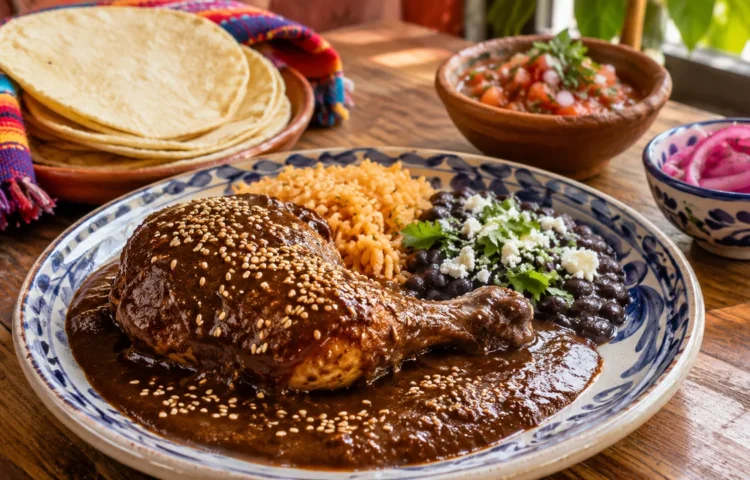
Mole is a useful starting point because it asks the eater to notice more than one obvious flavor. The 2011 reviewer emphasized that the restaurant’s mole poblano balanced spice, bitterness, and a touch of sweetness. Mole recipes can use chiles, toasted seeds or nuts, spices, aromatics, and other ingredients. Many versions require several stages of preparation. Chocolate is associated with some dark moles, but it is only one part of a broader flavor structure and is not a universal ingredient in every mole.
For an unfamiliar guest, the appearance of a dark, thick sauce might suggest a simple comparison with chocolate. The cooking tells a more complicated story. A chile can contribute fruitiness as well as heat. Toasted ingredients bring depth, while a cook adjusts texture and balance over time. The final sauce is judged by how those elements work together, not by how forcefully any single component announces itself.
The Smithsonian has published an accessible discussion of Puebla dishes and the varied stories surrounding mole. Those accounts illustrate a larger point: a celebrated dish can carry several versions of its origins, and it is better to acknowledge that diversity than to offer a single invented origin story. See Smithsonian Magazine’s discussion of Puebla’s dishes for context.
How a menu can travel across regions
One striking aspect of the 2011 review is the range of regional references. Cochinita Yucateca points toward the Yucatán Peninsula, where preparations of pork associated with achiote and citrus have long occupied a distinctive place in cooking. Cabrito associated with Jalisco brings a different set of expectations. These dishes should not be flattened into a claim that one restaurant represented every region of Mexico. They do, however, show how a relatively small dining room could introduce guests to more than one regional repertoire.
That approach is also a practical way to explain a menu without assuming the guest already knows each term. When a menu gives a regional name, the diner can ask which ingredients are essential, which aspects vary by household, and how the dish is usually served. Such questions create a more useful conversation than treating a regional label as an authenticity score.
Food writing can sometimes focus too heavily on whether a dish is the “real” version, as if every family in a state or city cooked identically. A more thoughtful approach describes the preparation observed and identifies the people and place responsible for it. The local articles about Tu Mero Mole offer a valuable historical snapshot precisely because they recorded details of food served in a particular kitchen at a particular time.
A casual dining room with a local reputation
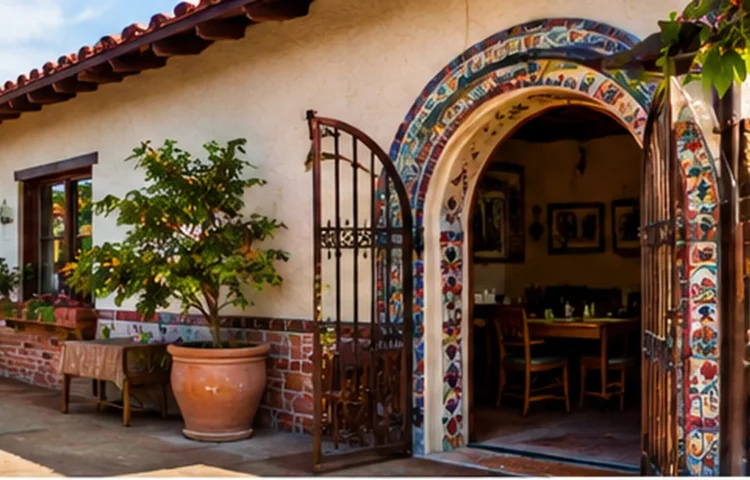
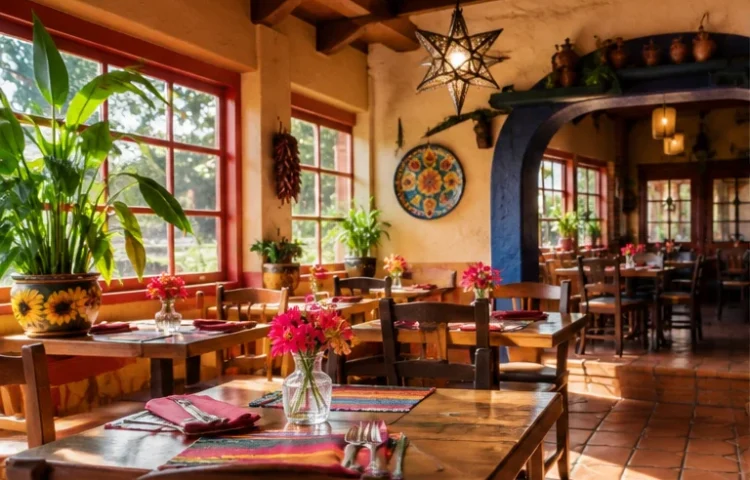
SanJose.com described the interior in concrete terms: a compact space, bright walls, and just a few tables. The restaurant’s reputation did not depend on luxury design or elaborate service. It depended on guests finding dishes they wanted to recommend to other people. A modest footprint can create tradeoffs for staff and visitors, but it can also make a kitchen’s identity easier to recognize. In a smaller operation, the menu and a handful of distinct preparations can become the main reason people remember it.
Other Bay Area food coverage reinforced the restaurant’s local place. KQED included Tu Mero Mole in its South Bay Mexican dining writing, and a 2018 episode of Check, Please! Bay Area Kids featured the San Jose location. These references are not proof of present-day operations. They are evidence of contemporary attention from local food writers and public media. A reader researching the restaurant today can compare the dates, descriptions, and locations in the original publications rather than taking an undated listing at face value.
See the 2018 KQED episode and KQED’s South Bay Mexican dining guide for additional contemporary references.
The role of a restaurant’s visual identity
Restaurant memory is partly visual. A sign, menu layout, color scheme, or dining-room wall can linger long after someone forgets the details of a meal. Designer Angela Ortega has publicly described a Tu Mero Mole identity and web-design project developed with a San Jose team. Her portfolio emphasizes a colorful treatment that draws on Mexican visual culture. That design record adds another dimension to the restaurant’s history: Tu Mero Mole was not only a kitchen but a name and visual identity presented to its community.
Public design work also needs to be treated as creative work with its own rights. Images reproduced in a designer’s portfolio are useful evidence, not a blanket license to copy them into a new website. An editorial site can link to that portfolio while commissioning original graphics or using licensed photography. The designer’s project page is a useful starting point for examining the brand’s documented visual direction.
What the historical record can and cannot establish
Reading a restaurant’s history also raises questions about what makes a digital collection trustworthy. Our guide to how Mexican food stories live online explores source attribution, imagery, and the limits of reconstructing a dining experience from published records.
There is a difference between documenting the past and representing a currently operating restaurant. Restaurant hours change, menus evolve, ownership can change, and branches can have distinct histories. A directory’s old phone number, menu screenshot, or address is not enough to promise that a reservation can be made today. Sources dated in 2011, 2018, or 2019 should be framed as observations from those years. This protects readers from confusion and gives the restaurant’s story a more reliable foundation.
It also helps to distinguish San Jose and Sunnyvale references. Several listings use the Tu Mero Mole name for locations in different South Bay cities. A name match should not be treated as proof that every address or later listing describes the same operation. For this reason, this article focuses on documented coverage of the San Jose restaurant, not on a current chain directory or claims about live branches.
For readers, the most useful preservation is not an imitation ordering page or an invented story of current staff. It is a well-sourced description of the food, people, and community attention recorded at the time. That approach also creates a foundation for more detailed essays on mole and the construction of its flavor and corn tortillas, salsas, and the building blocks of a Mexican meal.
What stays with a neighborhood
The details in local food journalism make Tu Mero Mole more than a name in a directory. They record a kitchen willing to offer regional dishes, a small room made welcoming by color and activity, and a series of meals that left enough of an impression to generate reviews and public-media attention. There is no need to exaggerate those details. Their strength is that they are specific.
The next time you come across a restaurant remembered for a particular sauce or regional specialty, it is worth asking what the recorded meal reveals about the broader food tradition. A good menu can be a point of entry into ingredients, places, techniques, and people. That is the reason the story of Tu Mero Mole still belongs in a conversation about regional Mexican cooking.
Explore the regional Mexican cooking collection or return to Tu Mero Mole for more food and culture essays.
Sources and further reading
- SanJose.com, review of Tu Mero Mole (2011)
- SanJose.com, profile of Maria Flores and the restaurant (2011)
- KQED, Check, Please! Bay Area Kids (2018)
- Angela Ortega, Tu Mero Mole visual identity project
From a catering idea to a neighborhood dining room
An April 2011 SanJose.com profile provides more detail about the restaurant’s beginnings. It reports that Maria Flores and her husband Ignacio initially envisioned a catering operation. When they found an affordable space equipped with a commercial kitchen, they also opened it to walk-in diners. The profile describes the challenges of a less visible location and how restaurant guests came to know the food before placing catering orders.
That origin matters because it links the restaurant’s business choices to what appeared on the table. The small dining room introduced San Jose customers to preparations from several parts of Mexico, rather than relying on a single regional style. For the dishes recorded by independent food writers, see the menu and regional specialties page; for dated articles and broadcast coverage, visit Tu Mero Mole in the Press.
Continue exploring
Return to the Tu Mero Mole homepage or discover more stories in the food and culture collection.