Mole Poblano: Ingredients, Flavor, and a Living Tradition
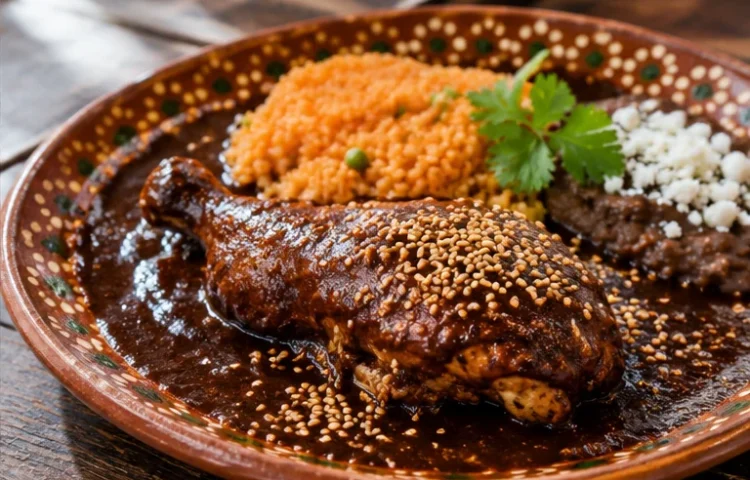
Mole poblano is often introduced with one detail: some versions contain chocolate. That is memorable, but it is not a particularly useful way to understand the dish. A more illuminating question is how a cook builds a sauce with many ingredients into a balanced, coherent whole. Chiles contribute flavor as well as heat. Toasted ingredients create depth. Spices and aromatics bring recognizable notes that must be integrated rather than allowed to dominate. Texture, preparation, and the food beneath the sauce matter as much as the ingredient list.
The name mole covers a wide family of preparations. Not every mole is dark; not every version tastes alike; not every recipe uses the same combination of chiles, seeds, nuts, or sweet ingredients. This guide focuses on the practical vocabulary of mole poblano while recognizing that families and cooks make meaningful variations. It is an editorial introduction, not a reproduction of a particular restaurant’s proprietary recipe.
Begin with chiles, not chocolate
Dried chiles can contribute fruitiness, earthiness, warmth, and bitterness, depending on the variety and how they are handled. Their job in mole is not simply to make the dish spicy. A chile that tastes different after toasting or soaking becomes part of the sauce’s deeper structure. The cook needs to pay attention to intensity and avoid treating all dried chiles as interchangeable powders.
Toasting has a purpose, but it also has limits. Too little heat may leave ingredients tasting raw and disconnected; too much can introduce harshness. Chiles, seeds, and spices have different tolerances, so adding everything to one hot pan for the same amount of time is not a universal solution. The principle is to work in stages, observing how aroma and color change, then combine prepared ingredients in a controlled way.
That sequence may sound demanding for a first attempt, but the lesson is approachable: the finished sauce is a set of deliberate decisions. A new cook can begin by learning what a single dried chile smells like after gentle warming, how rehydration changes its texture, and what happens when it is blended with a small amount of liquid. Those observations are more valuable than memorizing an elaborate recipe without understanding it.
Why recipes build depth in layers
Many mole poblano preparations bring together toasted ingredients and softened or cooked aromatics. Nuts or seeds can provide body, while bread, tortillas, or other thickening elements appear in some recipes. Spices contribute fragrance. These components should be treated as possibilities within a varied tradition, not a definitive shopping list for every household.
Texture is one of mole’s overlooked pleasures. A sauce can look thick yet feel grainy, or look smooth while tasting thin. Grinding and straining, where used, change the eating experience. The cooking liquid and the time the sauce spends simmering also affect how ingredients marry. This is why two recipes with similar ingredient lists can produce sauces that feel markedly different on the plate.
It is tempting to think of thick sauces as heavy sauces, but richness and balance are not the same thing. A successful mole does not need every sensation to be intense. It may have a warming finish after an initially mellow spoonful. It may draw on toastiness without tasting burnt. Adjustments happen at the level of the whole sauce.
Chocolate’s role is more subtle than a dessert comparison
The presence of chocolate in certain versions of mole poblano has produced one of the most persistent misunderstandings about Mexican cooking. A sauce containing chocolate is not necessarily sweet or dessert-like. Chocolate can deepen color and contribute bitter, earthy notes, particularly when it is combined with chile and spices. The final effect depends on proportion and on the other ingredients present.
Some widely repeated origin stories about mole are difficult to establish as a single historical fact. The Smithsonian’s discussion of Puebla foods treats the stories with appropriate caution and emphasizes the broad family of sauces. Rather than picking the most dramatic legend and declaring it definitive, it is more accurate to say that mole is a living tradition with recipes shaped through many kitchens and generations.
This distinction matters to home cooks. They need not reconstruct an imagined perfect original to cook something good. They can learn the purpose of the ingredients, choose a credible recipe, and respect the knowledge behind it. A recipe is a starting point for practice, not permission to make confident claims about an entire region.
A short guide to tasting mole thoughtfully
At the table, begin with a small taste of the sauce on its own if the preparation allows. Ask whether the first impression is warm, fruity, bitter, nutty, sweet, or smoky. Then taste it with the protein or vegetable it accompanies. Food changes the balance: a sauce that seems intense alone may make sense against a mild ingredient, while a sauce with many aromatic elements may benefit from something simple beside it.
Pay attention to aftertaste. Does the heat disappear quickly or continue to build? Does the sauce leave a pleasant roasted note or an unpleasant scorched one? Is the sweetness integrated, or does it cover the chiles? These are practical sensory questions, not an authenticity contest.
It is also worth observing the texture: spoon-coating, fluid, silky, coarse, or somewhere between. Texture affects how much sauce reaches each bite and how clearly its flavors register. A cook trying different versions can keep a notebook of these impressions. Written observations are more actionable than deciding one recipe is simply “better” without saying why.
What the South Bay dining record shows
In a 2011 review of Tu Mero Mole in San Jose, food writer Stett Holbrook described the restaurant’s mole poblano in terms of balance: a little bitterness, restrained sweetness, and a spicy character. The observation is valuable because it does not reduce the dish to chocolate or heat. It offers a portrait of a prepared sauce experienced in a specific kitchen at a specific moment. It does not describe a current recipe or suggest that the restaurant still serves the same preparation.
The same review discussed several other regional Mexican dishes. That context helps explain why mole belongs in a broader food conversation rather than a narrow sauce glossary. A person can discover mole at a neighborhood restaurant and then begin asking about chile varieties, regional differences, cooking equipment, and the cultural life of shared meals. Read the documented story of Tu Mero Mole in San Jose for more on that local setting.
Traditional cuisine is a living practice
Food traditions are also documented through reviews, museums, and public online exhibits. For a source-led introduction to that work, see Mexican food storytelling through digital collections.
In 2010 UNESCO inscribed traditional Mexican cuisine on its Representative List of the Intangible Cultural Heritage of Humanity, using the Michoacán paradigm. Its description encompasses agriculture, ritual practices, technical skills, and community customs. That language is important because a cuisine cannot be reduced to a handful of iconic finished dishes. The farming, preparation, learning, celebrations, and relationships around food are part of the tradition.
See UNESCO’s account of traditional Mexican cuisine for the primary description. The recognition does not mean one recipe is officially approved while other household variations are invalid. It emphasizes the continuing role of people and communities in carrying culinary knowledge forward.
For home cooks and curious diners, that perspective changes the questions worth asking. Who taught this preparation? What ingredient is difficult to replace? When is it eaten? Does the sauce change in different seasons or for different gatherings? Those questions often reveal more than a ranking or a boast about which restaurant has the most authentic version.
How to approach a first cooking project
Start by choosing a reliable recipe that explains the sequence of preparation, not merely the ingredients. Read through it completely before shopping. Make sure that the listed equipment is available and that the time required fits the day. If unfamiliar dried chiles are involved, locate a dependable source and learn how they should be handled. Some steps may be unfamiliar, so plan for a learning attempt rather than a perfect result.
Keep notes on changes. If a spice is omitted, the next attempt is a chance to compare rather than to declare that the modified version is identical. Taste at different stages when it is safe to do so. Allow time for a sauce to come together, but do not assume extra cooking automatically fixes every balance problem.
When sharing the dish, describe it with care. “My version of mole poblano, based on this recipe” is clearer than “the one true mole of Puebla.” Respecting a tradition does not require fear of cooking; it requires curiosity about where ideas come from and honesty about what was changed.
What makes the effort worthwhile
Mole rewards attention because it shows how ingredients develop relationships through preparation. The same chile can smell different after warming. A little acid can change the perceived heaviness of a sauce. Smoothness can make a dish feel more integrated. None of these observations requires expertise to notice, only an interest in learning how flavor behaves.
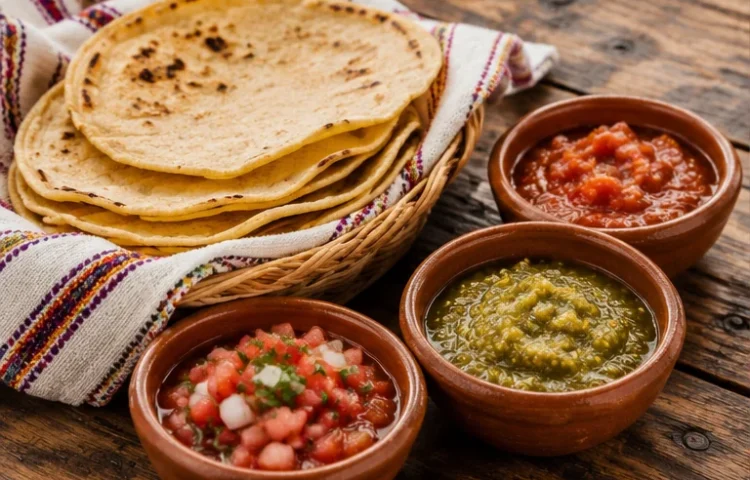
From mole, the natural next step is to understand what supports the rest of the meal. Corn tortillas and salsas are not mere accessories; they offer their own techniques and ways of balancing flavor and texture. Explore the regional Mexican cooking collection or return to the Tu Mero Mole homepage for more grounded food writing.
Sources and further reading
Continue exploring
Return to the Tu Mero Mole homepage or discover more stories in the food and culture collection.