Corn Tortillas and Salsas: The Details Behind a Mexican Meal
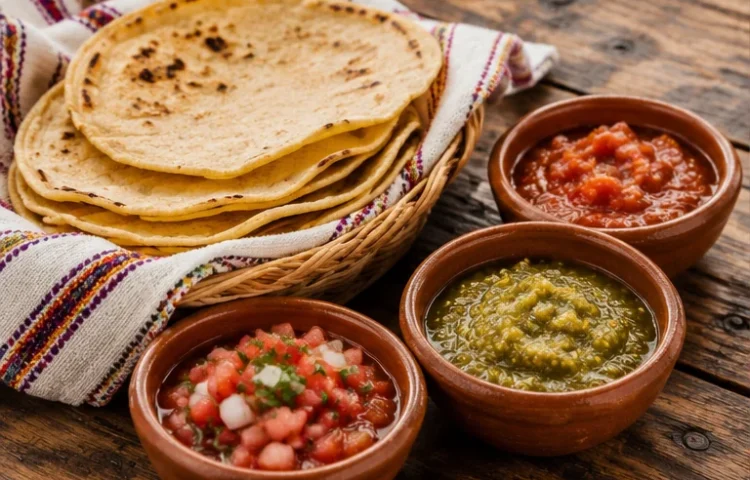
A good Mexican meal is often remembered for its main dish: a sauce, a stew, a grilled filling, or a slow-cooked specialty. Yet many of the decisions that make the meal satisfying happen around it. The tortilla carries flavor and texture. A salsa adds acidity, heat, fruitiness, or a smoky finish. Beans and other sides can give a plate contrast and rhythm. These are not afterthoughts. They make the meal work as a combination of distinct elements.
Understanding tortillas and salsas also offers a practical introduction to regional Mexican cooking without reducing the subject to a list of famous dishes. The ingredients are familiar to many diners, but their preparation is full of decisions. A tortilla may be soft and fragrant or too dry to fold. A salsa can brighten a dish or overpower it. The details reveal how much technique sits inside everyday food.
Why corn begins the conversation
Maize has a central place in many Mexican food traditions. Corn tortillas are one of its most familiar forms, but the step from dried grain to workable dough requires more knowledge than simply grinding corn into flour. Nixtamalization is a process associated with treating corn using an alkaline solution, followed by rinsing and grinding, which changes its culinary behavior. It supports the creation of masa used in tortillas and other preparations.
The Smithsonian’s National Museum of American History has presented nixtamalization in its food-history programming, including a demonstration featuring chef Carlos Salgado. The museum’s materials emphasize the process as a technique worth understanding rather than an invisible manufacturing step. Its Cooking Up History program is a useful introduction to the cultural context surrounding preparation.
At the dining table, much of that work appears in something deceptively simple: a tortilla that can wrap a filling, absorb a little salsa, and still hold together. It needs the right balance of moisture, heat, and handling. The result is not just a container but part of the meal’s flavor.
Texture tells a story
One way to learn about tortillas is to pay attention to what happens as they cool. A freshly warmed tortilla should be pliable enough for its intended purpose. If it is too dry, it may crack when folded. If it is too wet or undercooked, it may feel fragile or gummy. Thickness, cooking surface, and the way tortillas are kept warm all influence the result.
There are many legitimate tortilla styles. Some are smaller and meant for tacos; others are larger or thicker and designed for different dishes. Corn and wheat tortillas belong to overlapping but distinct regional stories. A cook who makes one style well should not assume the same proportions or methods apply universally.
The best practical advice is to observe the role of the tortilla in the dish. A delicate filling calls for a different eating experience from a saucy braised preparation. The tortilla should support the intended balance, not compete for attention solely because it is thick, large, or dramatically charred.
What a salsa adds
Salsa is often described by heat level alone: mild, medium, or hot. That description is convenient for ordering, but it misses why people choose one salsa over another. A fresh tomato salsa can offer acidity and brightness. A salsa built from tomatillos may have a different tart quality. Roasted ingredients can add depth and a savory character; dried chiles can bring warmth, fruitiness, and a lingering finish.
Texture matters too. A thin salsa moves across a taco differently from a thick, chunky one. A blended sauce may coat every bite, while chopped ingredients keep their individual character. Neither is automatically superior. What matters is whether the salsa suits the food it accompanies.
Some salsas rely on chile heat to cut through rich foods. Others deliver sharpness from citrus or tomatillos. A very rich filling may benefit from something lively, while a lightly seasoned ingredient may need only a small accent. Learning these relationships is more useful than searching for the hottest possible sauce.
Fresh, roasted, and toasted are different decisions
Heat transforms ingredients in different ways. Roasting tomatoes or tomatillos can change their aroma and moisture. Charring an ingredient can introduce a stronger smoky impression, but too much burning may overwhelm the salsa. Toasting dried chiles or seeds requires attention to the speed at which the ingredients change.
The sequence in which ingredients are prepared matters. Combining several cooked and uncooked components can create a layered flavor. A salsa made mostly from fresh ingredients may taste brighter and less rounded than a slowly cooked sauce. These differences are not failures. They are tools a cook can use deliberately.
That is why it helps to record more than a list of ingredients when learning a sauce. Note whether an onion was raw or cooked, how the chile was handled, and whether the final mixture was blended or chopped. A change in preparation can have as much effect as substituting an ingredient.
The influence of a neighborhood restaurant
A restaurant can teach these lessons without delivering a formal class. A diner tries a tortilla with a new filling, notices an unfamiliar salsa, and begins asking what makes it different. In a 2011 review of Tu Mero Mole in San Jose, SanJose.com wrote about the restaurant’s small tacos, fresh tortillas, and assortment of salsas. The reviewer particularly noted roasted chile and tomatillo sauce as well as a spicy peanut preparation.
Those details are useful not because they establish a current menu—they do not—but because they show how the supporting elements of a meal made an impression on an attentive diner. The sauces were memorable enough to be discussed alongside regional entrées. Read the account of Tu Mero Mole’s place in San Jose dining to understand that context.
When people describe a favorite restaurant, they may focus on the principal dish and overlook the things that allowed it to shine. A precise review of a tortilla or salsa can reveal more about a kitchen’s approach than a vague declaration that everything was delicious.
How to taste tortillas and salsa together
Begin with a little tortilla on its own. Notice aroma, temperature, softness, and whether the surface has pleasant toasted spots. Next, taste a small portion of salsa alone, paying attention to acidity and heat. Then combine them. Does the tortilla mute the heat or bring forward other flavors? Does the salsa create balance or make the bite feel too wet?
Move to a bite with the main filling and repeat. You may find that a salsa that seems too aggressive alone becomes useful with a rich preparation. A milder sauce may let the flavor of a delicate filling remain distinct. Neither reaction is a universal rule, but both help explain why a table might offer more than one salsa.
This is also a reason to avoid automatically applying large amounts of salsa before tasting the food. Begin with a little. Learn what the kitchen has already done. Adjust only when you understand what the new ingredient contributes.
Food knowledge belongs to communities
The spread of food stories from home kitchens to public exhibits gives readers new ways to learn about tradition. Our feature on food history in digital culture explains how to approach those records without confusing contemporary illustrations with historical evidence.
In 2010 UNESCO recognized traditional Mexican cuisine as intangible cultural heritage, describing a living system of farming, preparation, customary practice, and community knowledge. The recognition is broader than any single recipe, tortilla press, or celebrated plate. It highlights how techniques are practiced and transmitted among people. The UNESCO description provides a useful framework for considering tortillas and salsas as both everyday food and cultural practice.
Cooking equipment and industrial food production can change how people encounter a technique. The Smithsonian’s exhibition on tortillas in the supermarket examines tools and the adaptation of Mexican foods in the United States. Looking at those changes does not diminish home or restaurant cooking. It helps explain why some diners encounter tortillas first as a packaged product and only later discover the range of fresh preparations.
A respectful culinary guide should make space for that variety. Convenience, migration, local ingredients, family habits, and commercial kitchens all play roles in the food people actually eat. Useful writing can describe those changes without treating one person’s kitchen as a definitive judge of everyone else’s traditions.
A practical learning path
For someone who wants to experiment at home, begin with a dependable tortilla source and one or two salsa recipes. Compare fresh and roasted preparations rather than making many complicated versions at once. Record how texture changes during storage and reheating. Pay attention to how the same salsa behaves with beans, vegetables, eggs, or a savory filling.
When using hot chiles or unfamiliar ingredients, follow reliable food-safety instructions and handle them carefully. Take small tastes as you learn. There is no prize for choosing maximum heat, and an extremely hot sauce can make it difficult to notice its other flavors.
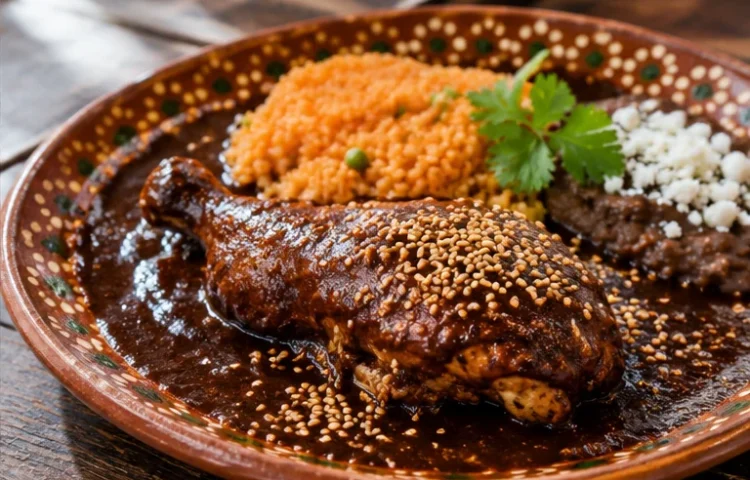
Once the relationships feel familiar, explore more elaborate preparations. Mole poblano provides an instructive next subject because it brings a larger cast of ingredients into one sauce. The same habits still apply: observe the ingredient, understand the preparation, and taste how the components support each other.
The value of noticing ordinary details
It is easy to praise a complicated main course and overlook the tortilla underneath it. Yet the most useful food memories are often built from such ordinary details: a warm, fragrant tortilla; a salsa with the right brightness; a combination that makes the next bite feel complete. Learning to notice them turns an everyday meal into a more interesting experience.
Explore other essays in the regional Mexican cooking collection or return to Tu Mero Mole.
Sources and further reading
Continue exploring
Return to the Tu Mero Mole homepage or discover more stories in the food and culture collection.